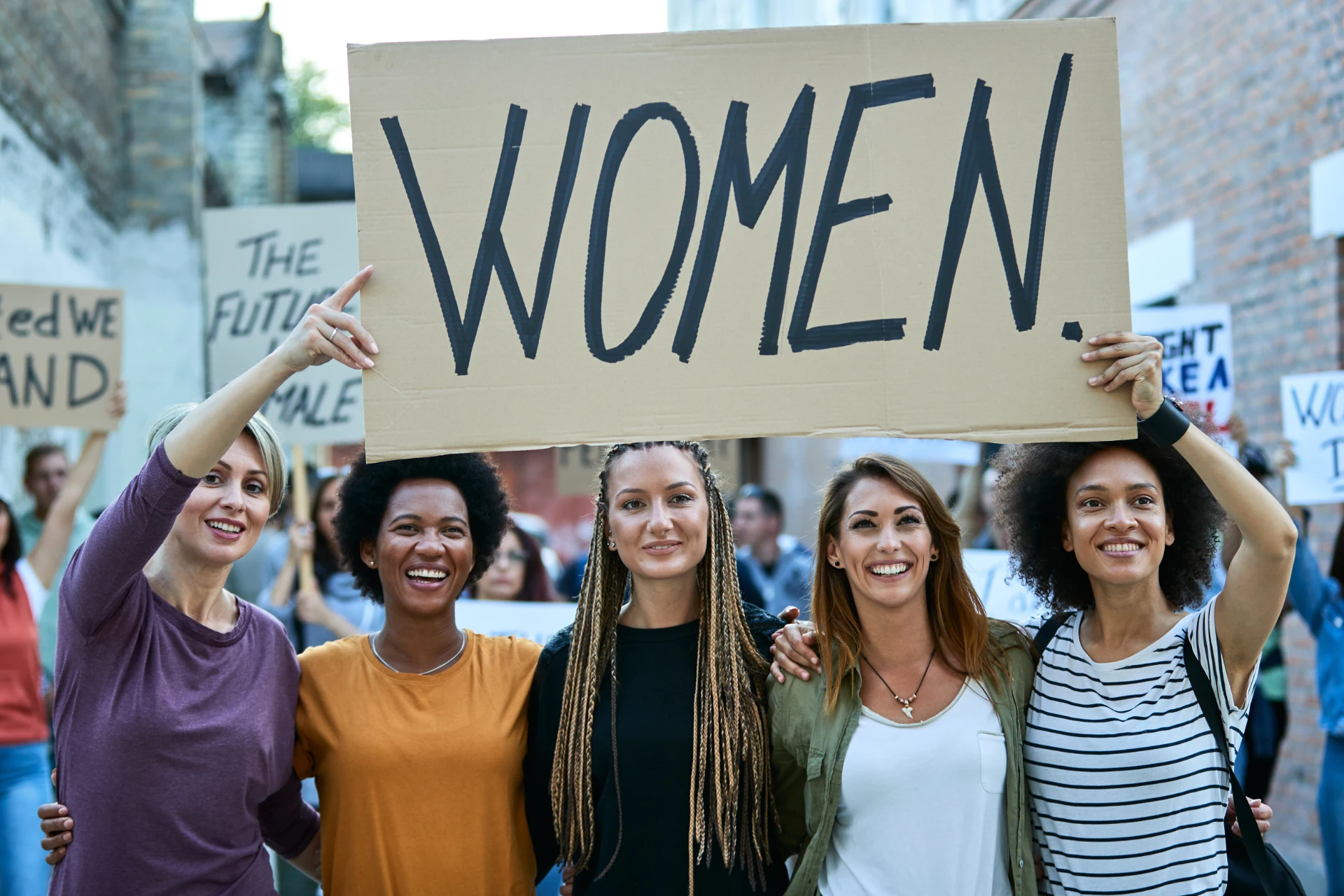
Many today assume patriarchy is inherently oppressive. Yet beneath the slogan lies a fundamental question: does male-led social order—where men are expected to lead, protect, and provide—actually work better than what replaced it? Let’s explore.
1. What Patriarchy Actually Is
Patriarchy, in its most basic form, denotes a structure of responsibility: men taking the burden of providing for and safeguarding their families and communities. It is not about tyranny or privilege—it’s about duty. When functioning properly, patriarchy looks like:
- A husband working early morning and late nights to support his household, even when his wife complains about the hours or schedule.
- A father setting boundaries for his children and sticking to them, even when it’s unpopular.
- A grandfather passing wisdom through calm example and presence, even when society has written off the utility of elders and social hierarchy.
Research supports these behaviors. A 2017 Steinhardt School study found that fathers trained in engaged behaviors—like reading to children—saw school-readiness and behavioral improvement in their kids, while fathers themselves gained confidence and emotional health RedditEmerging Minds+4New York University+4The Guardian+4.
2. Historical & Modern Benefits
For centuries, patriarchy effectively:
- Ensured family stability: societies structured around father-led households fostered generational continuity.
- Delivered social order: moral expectations and hierarchical roles provided accountability.
- Secured economic provision: with clear provider roles, resources were allocated more efficiently.
Recent scientific review emphasizes this. A 2006 NCBI paper reported that father engagement correlates strongly with lower behavioral issues in boys and better mental health in girls, along with enhanced cognitive development SAGE Journals+3PubMed+3Emerging Minds+3.
3. What We Gave Up
When patriarchy was dismantled—vilified as patriarchal oppression—the result was not liberation, but fragmentation:
- Fatherless homes are on the rise. Over 50% of kids in the U.S. are now born to unpartnered mothers, leading to lasting emotional and economic instability .
- Educational gaps: Boys underperform in literacy and graduation rates compared to girls Emerging Minds+15Vogue+15The Guardian+15.
- Divorce impact: Men lose primary custody nearly 97.5% of the time—often resulting in financial and emotional ruin .
These aren’t “teachable moments”—they are societal failures built in the shadow of a system that removed structural male responsibility.
4. Supporting Evidence
- Enhanced child outcomes: A University of Leeds report highlights that when fathers actively read or play with children—even just 10 minutes a day—it leads to measurable educational gains Herald Sun+6The Guardian+6All For Kids+6.
- Paternal mental health matters: New research shows that paternal depression correlates with distress in children and reduced developmental outcomes, emphasizing how father presence impacts families for generations SAGE Journals+5Herald Sun+5All For Kids+5.
- Play matters: Physical engagement by fathers enhances self-regulation, emotional intelligence, and social skills, provided it’s guided with authority Reddit.
5. So, Is Patriarchy Good?
If strong families, stable communities, and children with purpose matter—then yes. Patriarchy is not archaic—it is effective social architecture. When restored with integrity, it delivers benefits proven across centuries and verified by modern science. The comparison of single mother versus single father household outcomes for children proves this beyond a shadow of a doubt.
- While children in both single-mother and single-father homes typically face more challenges than children in two-parent homes, being raised by a single father often yields better outcomes than being raised by a single mother when socioeconomic factors are equal (PubMed)
- Children in single-mother households more frequently suffer from anxiety, obesity, and chronic stress, which can inhibit development (PubMed)
- Fathers contribute unique emotional regulation and discipline—children with strong father-child attachments develop greater self-control and fewer social or emotional issues (Wikipedia)
- Data also suggests that youth raised in fatherless homes are disproportionately represented in youth suicides, juvenile crime, behavioral disorders, and homelessness (US Dept. of Health/Census)
Clearly fathers matter in raising emotionally regulated children who are able to contribute to society, value others above self, regulate emotions, and avoid lives of crime and homelessness. These fatherless statistics are a specific indication that motherless homes do not have which shows at a fundamental level that patriarchy isn’t only good for society, it’s necessary.
It’s Time to Take Back Ground
Patriarchy wasn’t a flaw; it was a framework built on duty and protection. Removing it didn’t equal progress—it created chaos and cost. The question we face now isn’t whether patriarchy was good. It’s whether we can afford not to restore it.