In the modern imagination, “patriarchy” is often painted as a system of oppression. But look closer, and its original purpose becomes clear: protection. At its core, patriarchy is not about domination for the sake of dominance — it is about safeguarding the vulnerable, ensuring order, and preserving the stability of families and communities.
Protection in the Family
From the household to the extended family, patriarchal structures historically placed responsibility on men to provide, defend, and guide. Fathers and husbands served as anchors for families, ensuring children and spouses had what they needed to thrive. This wasn’t about control for control’s sake; it was about creating a stable environment where human life could flourish.
In modernity, many of these protective structures are eroded. Families are destabilized, fathers are often absent, and children bear the consequences. Patriarchy, at its best, functions as a framework that mitigates these risks. By taking responsibility, men provide the resources, discipline, and leadership that keep the household intact.
Protecting the Community
Protection also extends beyond the home. Historically, men assumed roles in civic defense, law enforcement, and public service — positions that demanded discipline, courage, and strength. Patriarchal societies relied on men to shield communities from external threats, maintain order, and enforce justice. The safety and prosperity of a town or nation were therefore tied to these structures.
Even today, the remnants of this protective role remain: police officers, firefighters, military personnel, and other physically demanding professions are overwhelmingly male. These roles are essential not because men are inherently superior, but because society relies on those capable of enforcing protection where it is needed most.
Discipline and Guidance
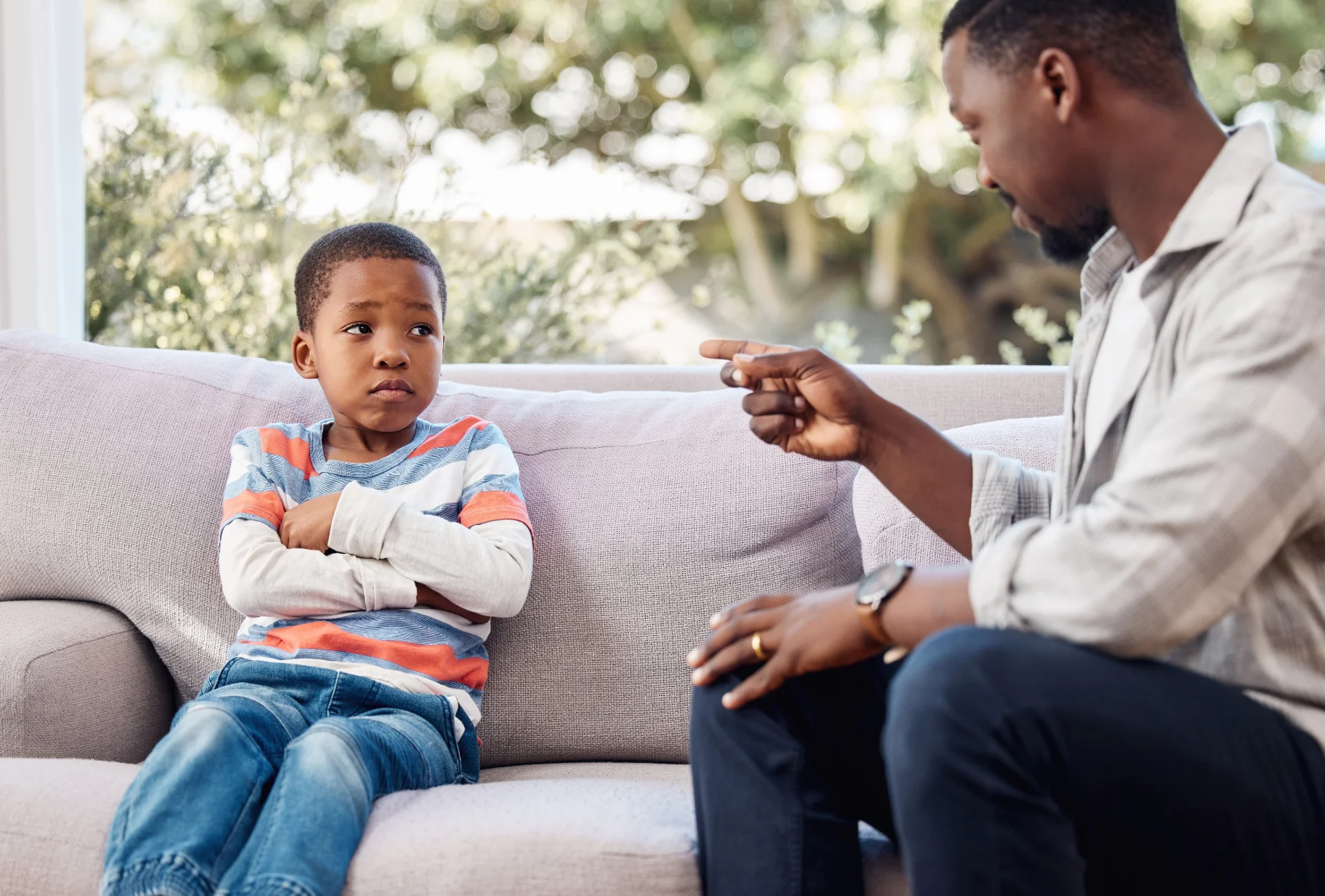
Protection also involves moral and practical guidance. Men in patriarchal systems historically served as teachers, mentors, and examples of responsibility. The father’s hand wasn’t only about shielding from physical harm but also about cultivating virtue, discipline, and wisdom in those under his care. Children learn boundaries, work ethic, and resilience under the watchful eyes of those invested in their well-being.
The numbers don’t lie. Children raised in single-mother households consistently face worse outcomes than those raised by single fathers, and the most dangerous environment is a home where a single mother cohabits with a boyfriend or stepfather. The pattern holds in caregiving professions as well: women in caretaker roles commit abuse at higher rates than men, across all ages of patients. The takeaway is clear—men are naturally better protectors, and societies that ignore this reality put their most vulnerable members at risk.
The Costs of Misunderstanding
Modern culture often mistakes protection for oppression. Policies and ideologies that dismiss hierarchical responsibility ignore the benefits of disciplined, organized, and accountable leadership. Without structures that safeguard the weak, societies risk chaos, instability, and the breakdown of communal bonds.
By reclaiming the idea of protection as a core virtue, we can appreciate that what patriarchy historically offered was security and opportunity — not exploitation. It is the scaffold that allows individuals, families, and communities to thrive.
Protection as a Moral Imperative
The principle of protection is not limited to men alone, but patriarchal systems assigned this responsibility largely to them because of physical capacities, social roles, and historical circumstance. This assignment is practical and moral: it is about matching duties to ability in order to maximize societal flourishing.
That’s why since the dawn of time men have overwhelmingly died in war protecting the women and children of their societies. In many cases the primary motivator was a virtue like honor or duty, but even at their core men are more capable and understand what must be done. To this day most countries have some kind of draft or registry to be able to call men to war should the need arise, however there is no corresponding duty that women have.
The Patriarchy Needs Women to Protect Children
Patriarchy, at its essence, is about safeguarding what matters most: the vulnerable, the family, and the community. Far from the caricature of oppression, it represents a moral framework in which responsibility, discipline, and care intersect. By understanding and reclaiming this protective function, we can see that patriarchy was never about domination for its own sake, but about the stability and survival of human society.
Society depends on women taking on the duty to have children and raise them to be contributing, responsible members of the community. Without this, men lose the most powerful motivator to protect, provide, and lead—something we see unraveling across the modern West. It’s time to speak plainly about what is expected of women and to call them into the role they were created for, restoring the natural order that allows civilization to thrive.
Long Live the Patriarchy.